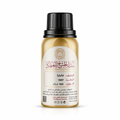
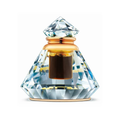
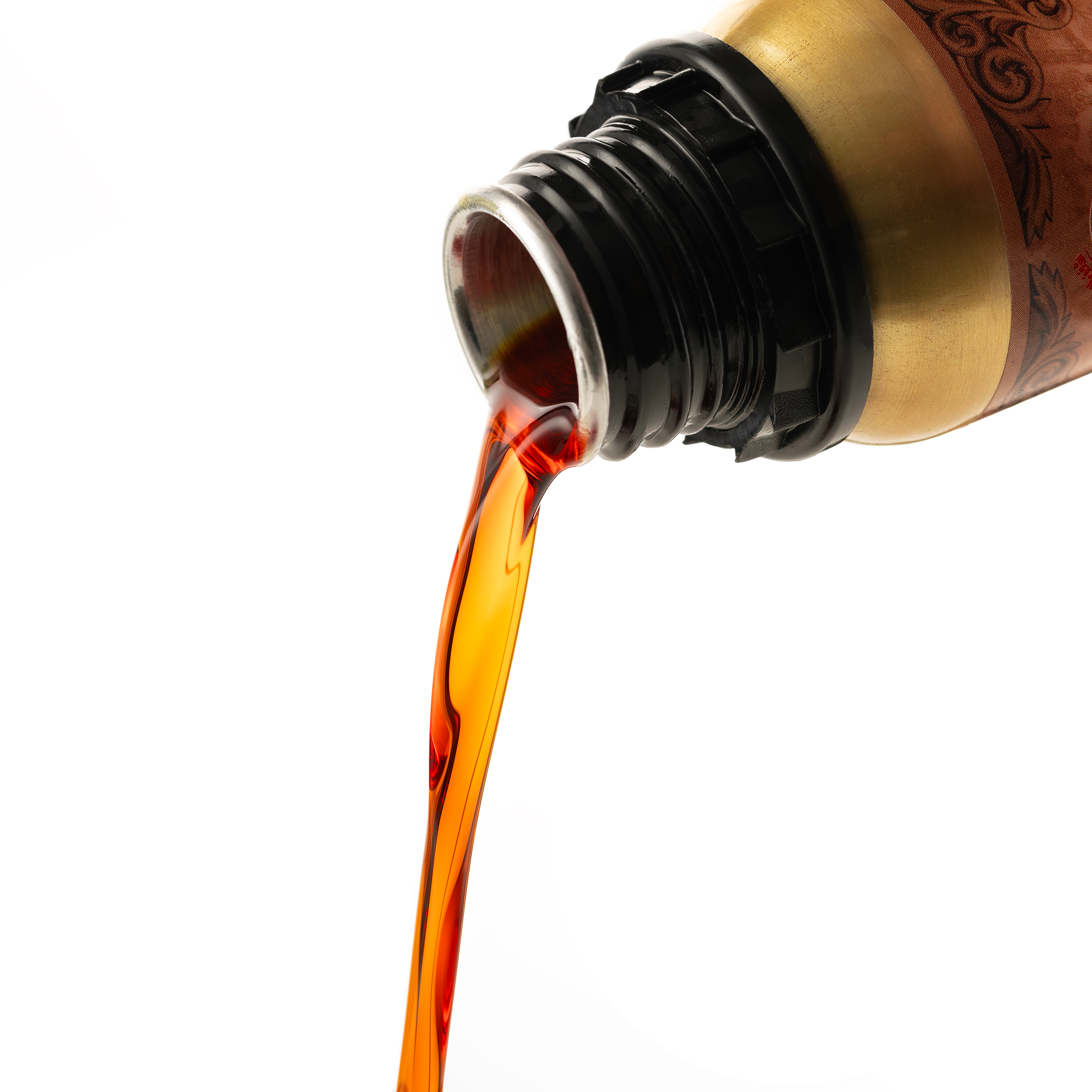

In short: Home fragrances come in several types: bakhoor, the Arabic word for incense, which is burned; candles; sprays; reed diffusers; electric devices; and scented sachets. All of them add volatile fragrance substances to the air in your home, and those that burn add smoke and gases as well. "Natural" does not mean a product is free of allergens, and an air freshener adds a scent without removing the source of an odor that is already there. An air freshener comes after cleaning and ventilation: choose its type to suit the space and the people in it, and use only a little. Never leave a flame unattended. Lit charcoal gives off carbon monoxide, so do not light it in a closed room or in a bedroom, and open a window or a door for as long as it is lit. Keep essential oils and their diffusers away from cats and birds.
Table of contents
A guest walks into the majlis and the scent of bakhoor reaches him first; the incense burner has gone round the room before he sits down. On a shelf in the living room stands a bottle of thin reeds, by the door a spray, and among the clothes in the wardrobe a small scented sachet. All of these are home fragrances, and each has its own way of spreading its scent and brings something of its own into the air of the home.
Types of home fragrances
Home fragrances differ in how they spread their scent: some burn, like bakhoor and candles; some are sprayed, like room and fabric sprays; some evaporate without a flame, like reed diffusers and scented sachets; and some are devices that run on electricity. With those that burn, watch the smoke and the flame; with those that are sprayed, watch the amount.
Most of them are not meant to reach the skin: candles, bakhoor, air fresheners that spray on their own or run on electricity, and scented sachets. The exceptions are sprays whose button is pressed by hand and reed diffusers whose reeds are turned by hand, for which the standards of the International Fragrance Association (IFRA) assume that some of the product reaches the skin [1].
| Type | How the scent spreads | Watch for |
|---|---|---|
| Bakhoor and oud | By heat, on charcoal or an electric burner, with smoke | Ventilation, charcoal and the amount |
| Room and fabric sprays | A mist in the air or on fabric | The amount, and letting the fabric dry before use |
| Reed diffusers | The reed absorbs the liquid, which evaporates from it without a flame | Contact with the liquid, and the bottle tipping over |
| Scented candles | By the heat of the flame | The flame first, then the smoke |
| Electric devices | Heating bakhoor or fragrance, or misting oil with water | Running time, the type of water, and pets |
| Scented sachets | Slow evaporation in wardrobes and drawers | Children and pets reaching them |
Bakhoor and oud
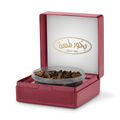
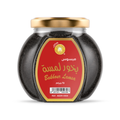
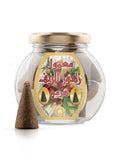
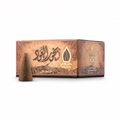
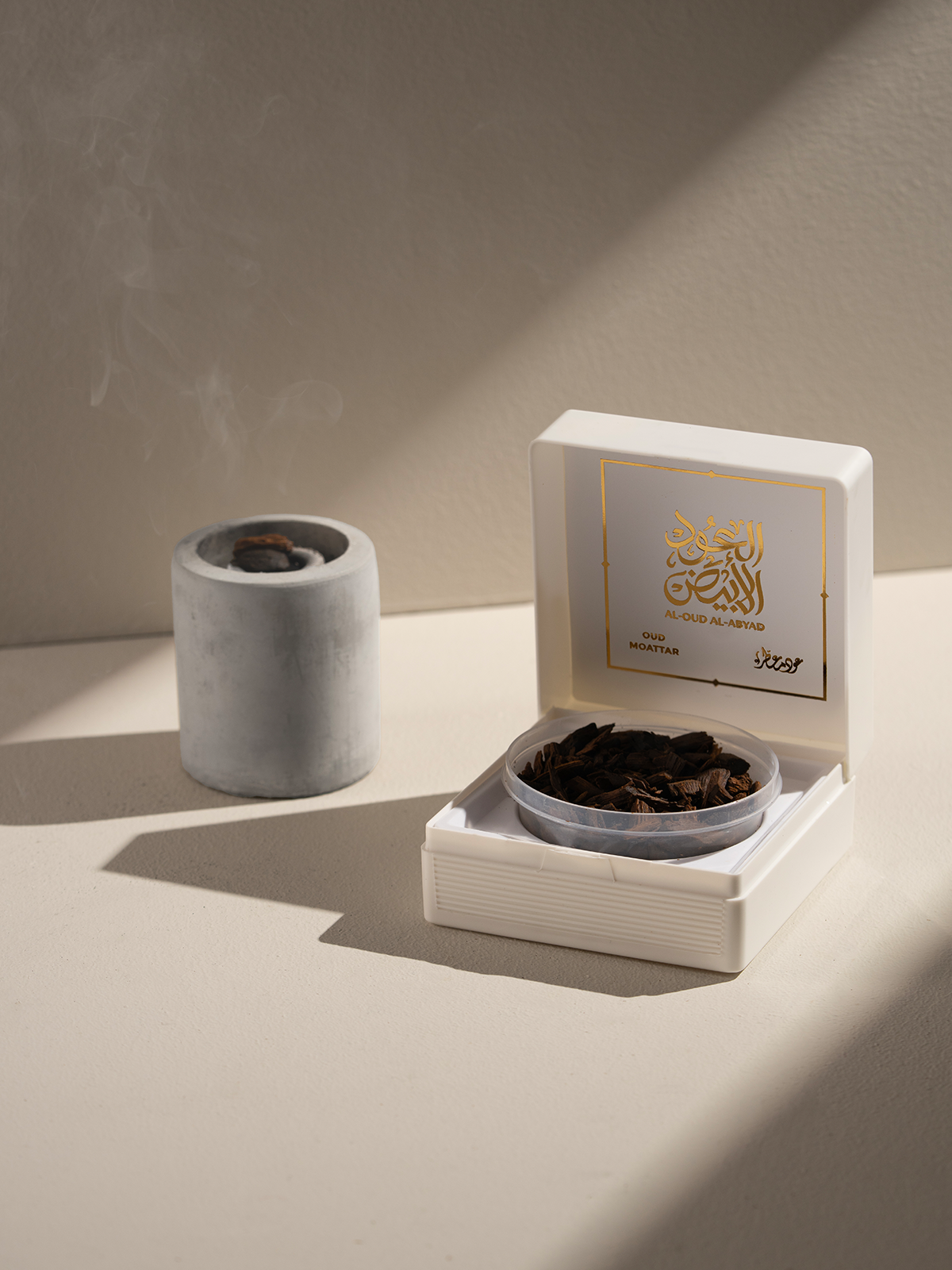
Bakhoor is among the best-known home fragrances in our region: pieces of oud wood; scented oud, which is wood saturated with aromatic oils [2]; and blends such as maamoul and mabsous, all burned on charcoal or on an electric burner.
Bakhoor burns, and its smoke, like any combustion smoke, carries fine particles and gases [3]. The electric burner is a recommended alternative to charcoal [2], and it is what we choose indoors, with ventilation, because it does not do away with the smoke. The danger of lit charcoal is covered under "Flames and charcoal."
Room and fabric sprays
A room spray works the moment you spray it, and some are described as suitable for furnishings too.
The button on a spray sits close to the nozzle, so some of the mist may land on your hand, and someone who sprays a pillow may rest their face on it before it dries [1]. Spray into the air, away from your face, and let fabric dry before you sit or sleep on it. The studies we reviewed do not give a number of sprays, so start with a few sprays, with ventilation, and follow the label instructions [18].
Reed diffusers
The reeds draw up the scented liquid from the bottle, and the scent evaporates from them without a flame or electricity. The concentration of volatile compounds in a room rises as its air exchange falls [4].
The saturated reeds touch your hand when you turn them [1]. Turn them carefully and wash your hands afterward, and stand the bottle somewhere steady, out of reach of children and pets.
Scented candles
A burning scented candle releases the usual combustion gases and fine particles, along with components of its fragrance that evaporate [5]. When the concentrations were calculated for a typical indoor environment, they came out far below guideline values in most cases, but not all [5]. The flame remains the first thing to watch with a candle, and it is covered under "Flames and charcoal."
Electric devices
These are the electric burner, which heats bakhoor without charcoal; the air freshener that plugs into an electrical outlet; and the diffuser that mists water and essential oil by ultrasound.
The effect of a plug-in air freshener on the air shows where the air is changed least. When the air in British homes was measured, the summed concentrations of volatile fragrance substances rose in the quarter of homes with the least ventilation, and the rise was unlikely to be due to chance [6].
An ultrasonic diffuser releases fine particles along with the scent [7]. In a test with eucalyptus oil, those particles increased fivefold when the device was filled with tap water instead of deionized water [7], so follow the device's instructions on the type of water.
Scented sachets
They are tucked between clothes in the wardrobe or in drawers, where their scent evaporates slowly and clings to the clothes. Keep them out of reach of children and pets.
What are home fragrances made of?
A home fragrance is, in most cases, a fragrance material and a medium that carries it. The material is natural, synthetic or a mix of the two, and the medium is wood, as in scented oud, or wax, or a liquid.
Natural and synthetic
A natural material is usually a mixture of many substances, not a single one [8]. In references on skin allergy, the term "fragrance" covers both natural and synthetic materials: it is any substance used to give a product a scent [8].
The word "natural" on a label does not mean that a product is free of allergens. Ylang-ylang oil is natural, and it had the highest rate of skin allergy among the essential oils tested in American and European studies between 2009 and 2014; sandalwood oil is often mentioned alongside it [8]. What causes allergy is a specific substance at a specific concentration, whether natural or synthetic. Some fragrance substances oxidize in air and become stronger sensitizers, such as limonene and linalool [9].
The materials most common in home fragrances in our region are oud, frankincense and rose, along with musk and amber.
Other sources of essential oils used in perfumes include sandalwood, cedarwood and lavender, and citrus peel such as lemon and bergamot [10]. If you read the name of one of these materials in a product description, it describes the character of the scent. It does not mean the material is natural in that product, since it may be a synthetic that imitates its scent.
Oud and frankincense: where does their scent come from?
The scent of oud comes from its aromatic resin, which forms when the tree is stressed by a natural or artificial wound, by an attack of insects or fungi, or by chemical treatment [11]. It is taken from trees of two genera, Aquilaria and Gyrinops [12].
Good oud is described as burning slowly and evenly, with a scent that stays in the room longer, and poor-quality oud as low in resin and high in wood; it may give off something that irritates the eyes and nose when it burns [12].
Frankincense is the resin of Boswellia trees, and it contains more than 300 volatile compounds whose types and amounts vary greatly from one species of the tree to another [13]. So two frankincenses may smell different even if they carry the same name.
Essential oils
An essential oil, in the international standard ISO 9235, is what is obtained from plant material by steam distillation, by pressing citrus peel, or by dry distillation [14]. What is extracted with solvents goes by other names there, such as "extract" and "absolute" [14].
On the market, perfume oil may be called "essential oil" as well. Read the product description, and if it is not clear whether it is an oil extracted from a plant or a fragrance blend, ask the seller.
Carrier liquids
In sprays, reed diffusers and misting devices, the fragrance material is carried by a liquid. Ethanol and propylene glycol are among the most prominent substances that reed diffusers give off [4], and in misting devices the oil is added to water [7]. These liquids evaporate into the air in your home too.
How do you choose for each space?
Ask before you choose: Is there an odor in the space that you want to get rid of? And who uses it?
If there is an odor, an air freshener adds a scent on top of it and does not remove its source. What usually helps the air in a home most is removing the source of pollution or reducing what it gives off, together with cleaning and opening windows and doors when the weather permits [15].
The majlis and the living room are large spaces where guests are received, and for them we choose bakhoor on an electric burner, or a room spray a short time before guests arrive, with ventilation. A bedroom is scented lightly and well before bedtime, not while you sleep: do not light a candle there [16], do not leave the burner running while you are asleep, and if you spray the bedding, let it dry. For children's rooms, choose something with no flame or charcoal, placed out of their reach.
Kitchen odors come from cooking, so start there with an exhaust fan that vents air to the outdoors [15], and keep candles away from anything that can burn [16], and incense burners likewise. Bathrooms are small and may be poorly ventilated, so run the exhaust fan there [15] and do not light a candle there [16]. If there is a cat or a bird in the home, pay particular attention to essential oils and their diffusers; the details are under "Cats and pets."

Choosing a scent is a matter of the household's taste, and its effect on mood differs from person to person. In the heat we lean toward light scents like citrus, and on cooler days toward warmer ones like vanilla and oud. Before you buy a large quantity, try the scent in the space where you will use it.
What should you be careful about at home?
The things to be careful about with home fragrances are what they add to the air, flames and lit charcoal, and anyone at home with asthma or allergies, or a cat or a bird. The US Environmental Protection Agency recommends ventilation and following the label instructions [18], and the US Fire Administration recommends never leaving a flame unattended [16].
Indoor air and volatile organic compounds
Air fresheners are among the household products that release volatile organic compounds [18], and concentrations of many of these compounds are higher indoors than outdoors, a pattern that holds consistently in measurements [18]. That is why the US Environmental Protection Agency (EPA) recommends increasing ventilation when using products that release them, and following the label instructions [18].
Three of the fragrance substances most common in indoor air at home, limonene, linalool and alpha-pinene, are found at measured levels far below the point at which eye and upper airway irritation begins, although they come close to the odor threshold or exceed it [19]. As for the effects of what forms when some of them react with ozone in the air, especially over the long term, less is known [19].
These substances, and air fresheners are one of their sources, react with ozone indoors, and formaldehyde is among the products of this reaction [20]. Ozone enters the home from outdoor air, so the reaction increases when outdoor concentrations rise [20]. That is why researchers suggest cutting back on products whose emissions react with it indoors [20].
Some people do report problems with fragranced products, air fresheners among them: in a survey of a national sample of adults in the United States, 34.7% said that exposure to them had caused at least one health effect, such as migraine or breathing difficulty [21].
We advise a small amount, an open window or an exhaust fan, and no more than one air freshener in a small room.
Flames and charcoal
A candle has a flame, and an incense burner holds lit charcoal. These are the recommendations of the US Fire Administration (USFA) for candles [16]:
- Keep the candle at least 30 cm away from anything that can burn.
- Place it in a sturdy holder, where it will not easily fall over.
- Blow it out when you leave the room or the home, or go to sleep.
- Do not light candles in bedrooms or wherever someone is sleeping, or in bathrooms.
- Battery-operated candles are an alternative with no flame.
Lit charcoal gives off carbon monoxide, a gas with no color or smell [22], and the US Centers for Disease Control and Prevention (CDC) advises fitting a carbon monoxide detector near sleeping areas [22]. So do not light it in a closed room or in a bedroom, do not leave it lit while you sleep, and open a window or a door for as long as it is lit. An electric burner, for its part, has no charcoal, so it spares you the charcoal gas, but the bakhoor smoke remains with it. If a headache, dizziness or nausea appears while the charcoal is lit, go out into the fresh air at once, put it out on your way if you can do so without delay, and get medical advice as soon as possible, and do not go back until you have had it. If there is difficulty breathing, sudden confusion, loss of consciousness, weakness, or chest or muscle pain, call an ambulance [26]. The details, and what has been measured in rooms, are in the charcoal incense burner section of our guide Making Bakhoor Scent Last at Home.
Around open fires, children are advised to stay about one meter away [23], and we follow the same around the incense burner and the candle.

Asthma and allergy
Perfume may worsen asthma symptoms in some patients. In a trial in which asthma patients were exposed to perfume scent strips from magazines, some of them developed chest tightness and wheezing [24]. In an Omani survey, parents of children with asthma reported that bakhoor increased wheezing in some of them, while its use was not associated with how common asthma was among them [25].
If someone at home has asthma or allergies, ask their doctor, and choose something without smoke, in a small amount.
Cats and pets
Cats and birds are more affected by essential oils than other animals, according to the MSD Veterinary Manual (Merck Veterinary Manual) [17]. Cats lack an enzyme called glucuronyl transferase, which makes them highly sensitive to the phenolic compounds found in some of these oils [17], and birds are sensitive to fragrances and airborne particles [17]. Inhaling essential oils is also a hazard for an animal that already has a respiratory disease, such as feline asthma [17].
Diffusion methods are of two kinds [17]. With those that release no droplets, such as reed diffusers and candles, the main hazard to the animal is respiratory irritation, unless the container is tipped over. Those that release a fine mist, such as ultrasonic devices, may deposit it on fur or feathers, where it is absorbed through the skin or swallowed when the animal grooms itself.
The manual recommends the following [17]:
- Do not apply concentrated essential oils directly to the animal.
- Avoid essential oils known to be toxic to animals, which in the manual include tea tree oil, cinnamon oil, cedar oil and eucalyptus oil.
- Prevent the animal from reaching or swallowing the oil.
- Use oils diluted, not concentrated.
- Take the animal out of the room while the device is running, and air out the room afterward.
- Run the device for short periods, less than 30 minutes.

Among the most common signs of poisoning from ingestion or skin contact are vomiting, lethargy, drooling, ataxia and loss of appetite [17], and signs of exposure by inhalation include watery eyes, a runny nose, coughing, rapid or difficult breathing, and wheezing [17]. If any of these appear after exposure, contact your veterinarian, and ask them before you run an essential oil diffuser in a home with a cat.
Read also
- Harms of Perfume and Bakhoor: What the Evidence Says on Allergy and Smoke
- How to Choose Bakhoor and Oud for Home and Occasions
- Types of Bakhoor: A Guide to Oud, Frankincense, Maamoul and Mabsous
- How to Store Bakhoor, Oud and Oud Oil: A Storage Guide
- Musk in Perfumery: Animal, Synthetic and Its Types
- Summer Fragrance Notes: How to Choose and Wear Perfume in the Heat
- Autumn Fragrance Notes: How to Choose Your Perfume in Saudi Weather
References
- IFRA. Guidance for the use of IFRA Standards (51st Amendment). International Fragrance Association; 30 June 2023. IFRA (PDF). Accessed 28 September 2026.
- Bu-Olayan AH, Thomas BV. Exposition of respiratory ailments from trace metals concentrations in incenses. Scientific Reports. 2021;11(1):10210. PMC8140077. Accessed 27 September 2026.
- Lin TC, Krishnaswamy G, Chi DS. Incense smoke: clinical, structural and molecular effects on airway disease. Clinical and Molecular Allergy. 2008;6:3. PMC2377255. Accessed 27 September 2026.
- Cheng WH, Chen YC, Shih SY. Volatile Organic Compound Emissions from Indoor Fragrance Diffusers. Atmosphere. 2023;14(6):1012. doi:10.3390/atmos14061012. Accessed 28 September 2026.
- Salthammer T, Gu J, Wientzek S, Harrington R, Thomann S. Measurement and evaluation of gaseous and particulate emissions from burning scented and unscented candles. Environment International. 2021;155:106590. doi:10.1016/j.envint.2021.106590. PMID: 33964641. Accessed 28 September 2026.
- Warburton T, Grange SK, Hopkins JR, Andrews SJ, Lewis AC, Owen N, Jordan C, Adamson G, Xia B. The impact of plug-in fragrance diffusers on residential indoor VOC concentrations. Environmental Science: Processes & Impacts. 2023;25(4):805–817. doi:10.1039/d2em00444e. PMID: 36883522. Accessed 28 September 2026.
- Schwartz-Narbonne H, Du B, Siegel JA. Volatile organic compound and particulate matter emissions from an ultrasonic essential oil diffuser. Indoor Air. 2021;31(6):1982–1992. doi:10.1111/ina.12845. PMID: 33905580. Accessed 28 September 2026.
- Sukakul T, Bruze M, Svedman C. Fragrance Contact Allergy – A Review Focusing on Patch Testing. Acta Dermato-Venereologica. 2024;104:adv40332. PMC11334351. Accessed 27 September 2026.
- Sukakul T, Svedman C. What is New in Contact Allergy To Cosmetics for Physicians, Cosmetologists, and Cosmetic Users? Current Allergy and Asthma Reports. 2025;25(1):48. PMC12552389. Accessed 27 September 2026.
- Sharmeen JB, Mahomoodally FM, Zengin G, Maggi F. Essential Oils as Natural Sources of Fragrance Compounds for Cosmetics and Cosmeceuticals. Molecules. 2021;26(3):666. doi:10.3390/molecules26030666. PMC7865210. Accessed 28 September 2026.
- Naziz PS, Das R, Sen S. The Scent of Stress: Evidence From the Unique Fragrance of Agarwood. Frontiers in Plant Science. 2019;10:840. doi:10.3389/fpls.2019.00840. PMC6646531. Accessed 3 October 2026.
- Yang L, Yang JL, Dong WH, Wang YL, Zeng J, Yuan JZ, Wang H, Mei WL, Dai HF. The Characteristic Fragrant Sesquiterpenes and 2-(2-Phenylethyl)chromones in Wild and Cultivated “Qi-Nan” Agarwood. Molecules. 2021;26(2):436. doi:10.3390/molecules26020436. PMC7830084. Accessed 3 October 2026.
- Mertens M, Buettner A, Kirchhoff E. The volatile constituents of frankincense – a review. Flavour and Fragrance Journal. 2009;24(6):279–300. doi:10.1002/ffj.1942. Accessed 3 October 2026.
- ISO 9235:2021. Aromatic natural raw materials — Vocabulary. International Organization for Standardization; 2021. Definitions 3.1, 3.11 and 3.13. iso.org. Accessed 28 September 2026.
- U.S. Environmental Protection Agency (EPA). The Inside Story: A Guide to Indoor Air Quality. epa.gov. Accessed 28 September 2026.
- U.S. Fire Administration (USFA), FEMA. Candle Fire Safety. Last updated: 1 April 2023. usfa.fema.gov. Accessed 28 September 2026.
- Benson K. Toxicoses From Essential Oils in Animals. MSD Veterinary Manual (Merck Veterinary Manual). Full review: March 2025; scientific review by Brutlag A. merckvetmanual.com. Accessed 28 September 2026.
- U.S. Environmental Protection Agency (EPA). Volatile Organic Compounds' Impact on Indoor Air Quality. Last updated: 23 June 2026. epa.gov. Accessed 28 September 2026.
- Wolkoff P, Nielsen GD. Effects by inhalation of abundant fragrances in indoor air – An overview. Environment International. 2017;101:96–107. doi:10.1016/j.envint.2017.01.013. PMID: 28126407. Accessed 27 September 2026.
- Weschler CJ. Ozone’s impact on public health: contributions from indoor exposures to ozone and products of ozone-initiated chemistry. Environmental Health Perspectives. 2006;114(10):1489–1496. doi:10.1289/ehp.9256. PMC1626413. Accessed 3 October 2026.
- Steinemann A. Fragranced consumer products: exposures and effects from emissions. Air Quality, Atmosphere & Health. 2016;9(8):861–866. PMC5093181. Accessed 27 September 2026.
- Centers for Disease Control and Prevention (CDC). Carbon Monoxide Poisoning Basics. Last reviewed: 12 January 2026. cdc.gov/carbon-monoxide/about. Accessed 27 September 2026.
- North Carolina Office of State Fire Marshal (OSFM). Heating. ncosfm.gov. Accessed 27 September 2026.
- Kumar P, Caradonna-Graham VM, Gupta S, Cai X, Rao PN, Thompson J. Inhalation challenge effects of perfume scent strips in patients with asthma. Annals of Allergy, Asthma & Immunology. 1995;75(5):429–433. PMID: 7583865. Accessed 27 September 2026.
- Al-Rawas OA, Al-Maniri AA, Al-Riyami BM. Home exposure to Arabian incense (bakhour) and asthma symptoms in children: a community survey in two regions in Oman. BMC Pulmonary Medicine. 2009;9:23. doi:10.1186/1471-2466-9-23. PMC2693130. Accessed 27 September 2026.
- NHS. Carbon monoxide poisoning. Last reviewed: 16 December 2025. nhs.uk. Accessed 15 October 2026.
Prepared and edited by: Sedr Al-Khaleej Perfumes team
Last reviewed: 14 October 2026
Was this article helpful?
Leave a comment
Comments are reviewed before they appear. Your email address won’t be shown.