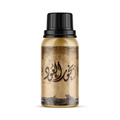
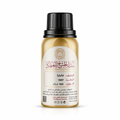
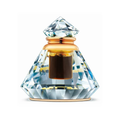
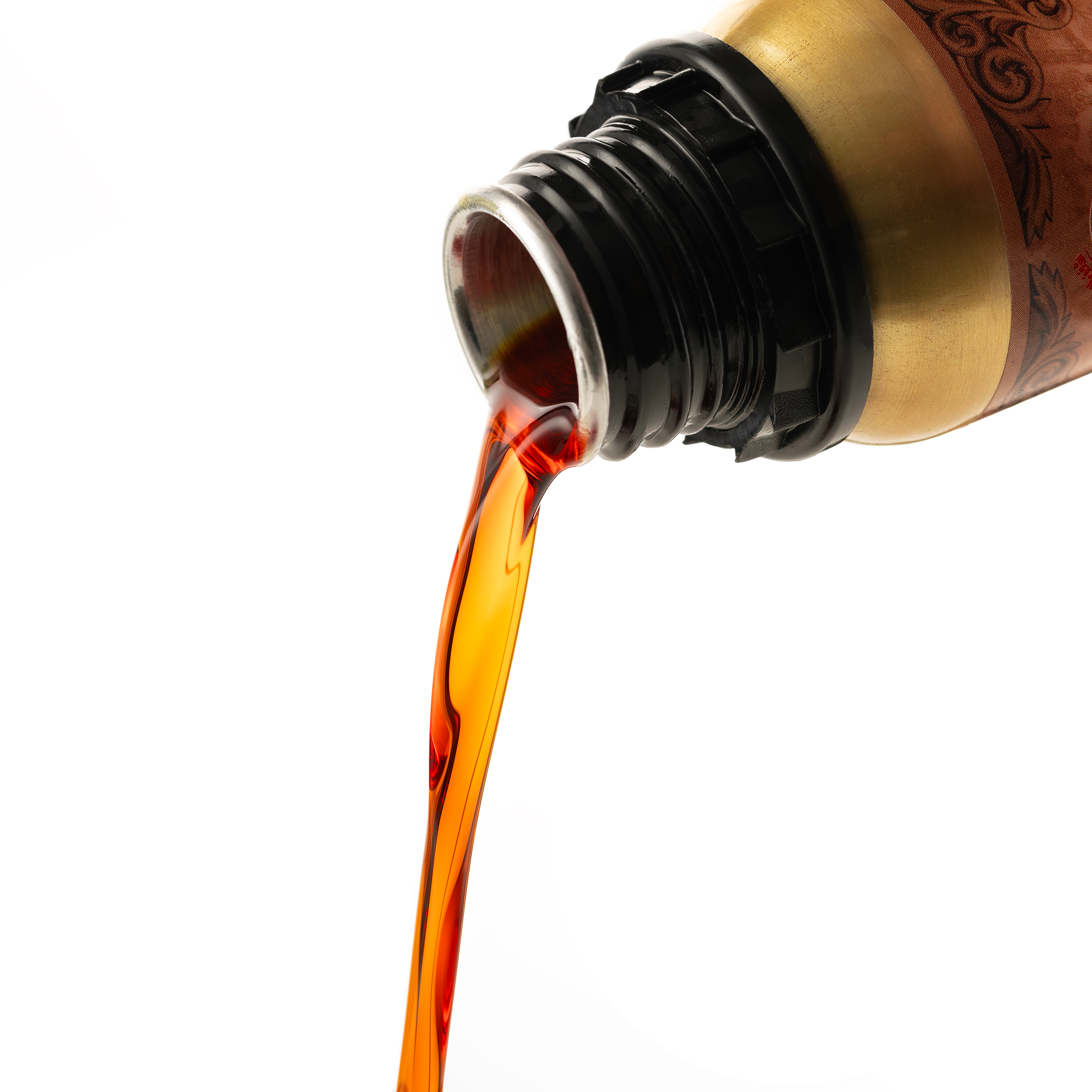
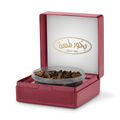
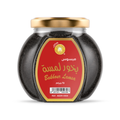
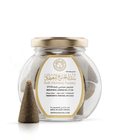
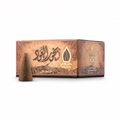
In short: Bakhoor, the Arabic word for incense, is made from aromatic materials that are burned or heated: woods such as oud (agarwood) and sandalwood, resins such as frankincense and myrrh, and oils and aromatic materials. Some of it is a single material burned as it is, such as oud pieces and frankincense grains, and some is a prepared blend with other materials added, such as maamoul, mabsous and incense sticks. The word “natural” on a package is not enough on its own, because it does not tell you what was added to the material. So read the type and form, the oud description, the notes that describe its scent, the ingredients if listed, and the directions for use.
Table of contents
- What is bakhoor, and what is it made of?
- The basic materials in bakhoor
- Aromatic woods: oud and sandalwood
- Resins: frankincense and myrrh
- Oils and aromatic materials
- What binds the blend and helps it burn
- How do types of bakhoor differ in the way they are made?
- What does the word “natural” mean for bakhoor?
- What should you read on the package?
- Bakhoor ingredients and smoke
- Frequently asked questions
- Read also
- References
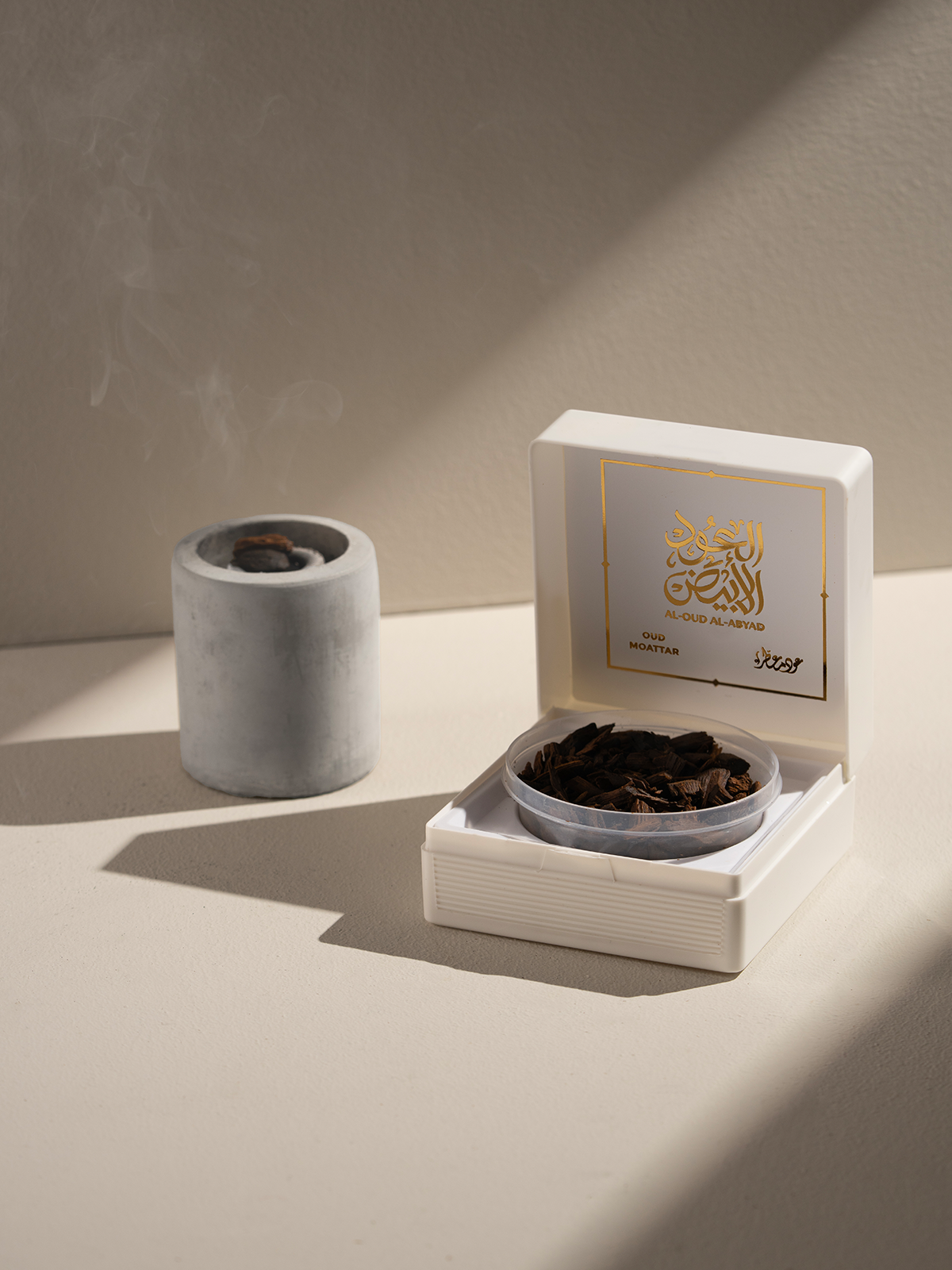
In a majlis being made ready for guests, with its window open, a small piece of oud is placed on the hot charcoal, and a thin smoke rises from it with a scent you cannot find in the wood when it is cold. After it, a little maamoul, which is a prepared blend, is placed on the charcoal, and both the smoke and the scent change.
What is bakhoor, and what is it made of?
Bakhoor is any aromatic material that is burned or heated so its smoke can be smelled, and most of it is made from gums, resins, wood powders, herbs and spices [1]. In the Gulf, as in many Middle Eastern countries, two broad kinds are burned: aromatic wood, either scented with oils or unscented, and natural resins such as frankincense [2].
Arabian bakhoor also draws on flowers, aromatic oils and perfumes, and its types do not appear to share the same ingredients, even within the same country [3].
The basic materials in bakhoor
The scent of bakhoor comes from woods, resins, herbs and aromatic oils, mostly of plant origin and used alone or together [4]. Incense sticks have other materials added on top of these, to bind the blend or help it burn [4].
Aromatic woods: oud and sandalwood
Oud is an aromatic wood from trees of the genera Aquilaria and Gyrinops [5]. A healthy tree does not produce this scent; the aromatic resin forms in its wood after a wound or an infection by insects or fungi [6] [7].
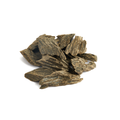
In Middle Eastern and Asian markets, resin-rich oud pieces are burned as they are, without treatment or added perfumes, while oud with less resin is often mixed with other aromatic ingredients in bakhoor blends [8].
The scent of oud on charcoal does not all come from what is already in the wood: when oud is heated, its vapor carries low-molecular-weight aromatic compounds that are not in it before heating, some of which form from a compound in its resin called agarotetrol, which breaks down with heat [9]. This compound does not come over with the oil on distillation [9], and this may be why oud oil does not smell like oud on charcoal.
Fake or adulterated woods are often sold on the market as cheaper oud [6]. All species of both genera are listed in Appendix II of the Convention on International Trade in Endangered Species of Wild Fauna and Flora (CITES), so their international trade is monitored [10].
Sandalwood is an aromatic wood from trees of the genus Santalum. Its oil is extracted from the heartwood of mature trees, and its main constituents include alpha-santalol and beta-santalol. Overexploitation has depleted its supply [11]. Some Arabian bakhoor is based on sandalwood, which is usually mixed with natural oils and perfumes [3].
The high price of sandalwood oil has made imitations common on the market: in an analysis of six oils sold under that name, none met the international standard for sandalwood oil, ISO 3518; three were the oil of a different tree, Amyris balsamifera, and two were synthetic blends [12]. So the name of a material on a bottle of oil does not guarantee that the material is there.
Resins: frankincense and myrrh
The frankincense grains that are burned as they are, called luban in Arabic, are a gum resin from trees of the genus Boswellia. One of its most important species is Boswellia sacra, in Oman and Yemen [13]. It usually consists of 5 to 9% essential oil, 65 to 85% alcohol-soluble resin, and the rest water-soluble gums [13]. Most of the frankincense traded today comes from another species, Boswellia papyrifera [14].
Myrrh is an oleo-gum resin secreted by trees of the genus Commiphora. True myrrh comes from the species Commiphora myrrha, which grows from the south of the Arabian Peninsula to northeast Africa [15]. Like frankincense, it combines volatile oils, resin and gum, in varying proportions [15], and its essential oil is used in bakhoor and in perfumes [15].
Oils and aromatic materials
In some prepared bakhoor, much of the scent comes from the oils and aromatic materials added to it. Scented oud is pieces of wood saturated with aromatic oils [2], and in incense sticks aromatic materials are estimated at about 35% of the weight [1].
Not all aromatic materials come from plants. They include a synthetic musk called nitro musks, which emerged as a cheap substitute for natural musk [16], and among those reported in Asian incense sticks are musk ambrette, musk ketone and musk xylene [1]. The use of musk ambrette has been discontinued [16], and it is now prohibited under the standards of the International Fragrance Association (IFRA) [17]. These standards cover incense sticks, in the category of products not intended for skin contact [18]. But they are self-regulation that the association’s members commit to, not government law [18], so the existence of these standards does not tell you what is in a particular box.
So when you see musk or amber among bakhoor notes, the name may describe the character of the scent, not the source of the material.
What binds the blend and helps it burn
Incense sticks need something to hold their blend together: in Asian sticks it is an adhesive powder from the bark of the Machilus nanmu tree, which holds the aromatic powders on the bamboo stick [1]. In a typical formula, the bamboo stick alone is about a third of the weight [1].

Charcoal powder or potassium nitrate may be added to the powder of incense sticks [4], the charcoal being there to make burning easier [4].
Maamoul and mabsous (local names for incense blends) are a different matter: their recipes vary from one maker to another [3]. If the binders, sugar or other materials in them matter to you, ask the seller about the ingredients.
How do types of bakhoor differ in the way they are made?
The first difference: is it a single material or a blend? Oud pieces and frankincense grains are burned as they are, while scented oud, maamoul, mabsous, pyramid bakhoor and incense sticks are made by adding other materials.
| Type | What it is | Single material or blend? |
|---|---|---|
| Oud pieces | Pieces of oud wood in which the resin has formed [6] | A single material; resin-rich oud is burned without added perfumes [8] |
| Frankincense | Grains of resin from Boswellia trees [13] | A single material |
| Scented oud | Pieces of wood saturated with aromatic oils [2] | Wood with added aromatic oil |
| Maamoul | A compounded Arabian incense blend [1] | A blend; we found no documented description of its ingredients |
| Mabsous | A local name for a type of incense blend; we found no definition of it in a scientific reference | A blend |
| Pyramid bakhoor | Bakhoor shaped as a cone or pyramid [1] | A shaped blend |
| Incense sticks | A thin bamboo stick coated with the incense blend [1] | Aromatic powders and an adhesive on bamboo [1] |
These names are local, and their meaning may vary from one country to another and from one shop to another.
How bakhoor is burned follows its form. Direct burning lights the bakhoor itself, and the fire spreads through the rest of it; indirect burning heats it with charcoal or electricity [2]. Arabian bakhoor usually needs charcoal, unlike other forms that burn on their own [4]. Fine material burns faster than coarse [2].
What does the word “natural” mean for bakhoor?
We found no regulatory definition of the word “natural” for bakhoor, so the word alone does not tell you what is in the blend. The closest there is are definitions written for cosmetics, which do not apply directly to bakhoor.
Even for cosmetics, the US Food and Drug Administration (FDA) has not defined the word on labels, and it applies the same safety and labeling requirements to every product, whatever its source [19]. The guidelines of the international standard ISO 16128-1 define natural ingredients in cosmetics as those obtained from plants, animals, microorganisms or minerals, and do not address claims, labeling or human safety [20].
On a box of bakhoor, the word may mean that the main material is of plant origin, such as oud wood or frankincense grains. But it does not tell you whether aromatic oils, synthetic materials or an adhesive were added to it, and the aromatic materials in bakhoor may be synthetic [1]. If it is written on the package, ask: what is the natural material, and was anything added to it?
The word may also simply be untrue: the two synthetic sandalwood oils were described on their packages as 100% natural sandalwood oil, and the label information was correct for only three of the six oils [12].
Nor does a natural source make a material free of allergens: in cosmetics, products described as “natural” or “herbal” can be a source of exposure to fragrance substances, and some essential oils are themselves allergens [21]. We take bakhoor to be no different: what matters is the substance and how much of it there is, whatever its source.
The description alone does not reveal what is in bakhoor: in raw samples from three brands of Arabian bakhoor, metallic elements, including lead, nickel and cobalt, were found in all of them [22].
Some oud descriptions may be confused with the word “natural”: induced oud is real oud whose resin formed in cultivated trees that were deliberately wounded or treated [7]. “Enhanced”, on the other hand, is a trade description whose meaning may differ from one seller to another. It may refer to oud with something added to strengthen its scent, so ask the seller what they mean by it.
What should you read on the package?
- Type and form: wood pieces, resin grains, or a blend such as maamoul and mabsous.
- Oud description: is it natural, induced, scented or “enhanced” oud? If it is not stated, ask the seller.
- Notes: read the notes, not just the name, because a name may describe the character of the scent rather than the material.
- Ingredients: you may not find a detailed composition, because the exact composition of incense sticks is usually a trade secret [1]. If you are sensitive to a particular substance, ask the seller about it before you buy, and if you have asthma or a chest allergy, ask your doctor about exposure to bakhoor smoke.
- Directions for use: how it is burned, on charcoal, in an electric burner or by lighting it directly, and the suggested amount. If no amount is given, start with a little.

Bakhoor ingredients and smoke
A natural material gives off smoke when it burns, like any other, so bakhoor smoke, like all combustion smoke, carries fine particles and gases [1].
Burning charcoal gives off carbon monoxide, a gas with no color or smell [23]. In a study from the UAE, the charcoal disc, not the bakhoor, was the main source of this gas and of nitrogen oxides in a closed test chamber the size of a living room, even with half a disc [24]. So do not light it in a closed room or in a bedroom, do not leave it burning while you sleep, and open a window or a door for as long as it is burning. An electric burner, which is among the options recommended instead of charcoal or an open flame [2], has no charcoal, but the bakhoor smoke remains, so ventilation is still necessary.
If a headache, dizziness or nausea appears while the charcoal is burning, go out into the fresh air at once, put it out on your way if you can do so without delay, and seek medical advice as soon as possible, and do not go back into the room before you have done so. With difficulty breathing, sudden confusion, fainting, weakness, or chest or muscle pain, call an ambulance [25]. The details, and what was measured in rooms, are in the charcoal burner section of the guide to how to make bakhoor scent last at home.
Use a small amount, and avoid burning bakhoor for a long time in a small, closed or crowded room. Published recommendations include greatly reducing the burning of bakhoor in small, unventilated rooms and keeping the amount to no more than 0.5–1 g a day [2]. That is not a safe limit: the studies we reviewed name no safe amount, and their recommendations point toward reducing exposure to smoke.
Frequently asked questions
Does all bakhoor contain oud wood?
No. Bakhoor is a general term for oud, frankincense and prepared blends [1] [2], and “Oud” in a product name may describe its scent rather than its material. So read the notes and ingredients.
Does natural bakhoor produce less smoke?
Do not count on it. Any bakhoor that burns gives off fine particles and gases [1], natural or prepared, so use a small amount and let air into the room.
Does the scent of bakhoor change over time?
Yes, it may weaken or change, so keep it in an airtight container, away from heat and light, as described in the guide to storing bakhoor.
Read also
- Types of Bakhoor: A Guide to Oud, Frankincense, Maamoul and Mabsous
- Oud (Agarwood): A Reference Guide to Its Formation, Types, Oil and Trade
- Oriental Ingredients in Perfume: Oud, Amber, Saffron, Frankincense and Rose
- How to Store Bakhoor, Oud and Oud Oil: A Storage Guide
- How to Choose Bakhoor for a Mosque: Scent, Ventilation and Safety Tips
References
- Lin TC, Krishnaswamy G, Chi DS. Incense smoke: clinical, structural and molecular effects on airway disease. Clinical and Molecular Allergy. 2008;6:3. PMC2377255. Accessed 28 September 2026.
- Bu-Olayan AH, Thomas BV. Exposition of respiratory ailments from trace metals concentrations in incenses. Scientific Reports. 2021;11(1):10210. PMC8140077. Accessed 28 September 2026.
- Al-Rawas OA, Al-Maniri AA, Al-Riyami BM. Home exposure to Arabian incense (bakhour) and asthma symptoms in children: a community survey in two regions in Oman. BMC Pulmonary Medicine. 2009;9:23. doi:10.1186/1471-2466-9-23. PMC2693130. Accessed 28 September 2026.
- Lee CW, Vo TTT, Wee Y, Chiang YC, Chi MC, Chen ML, Hsu LF, Fang ML, Lee KH, Guo SE, Cheng HC, Lee IT. The Adverse Impact of Incense Smoke on Human Health: From Mechanisms to Implications. Journal of Inflammation Research. 2021;14:5451–5472. doi:10.2147/JIR.S332771. PMC8548258. Accessed 28 September 2026.
- Layola MRR, Sengupta S, Mallick B, Shil T, Shaw R, Banu F, Chakraborty S, Sardar S, et al. Phylogenetic analysis of the Critically Endangered Aquilaria khasiana (Thymelaeaceae) using barcode markers and chloroplast genome, with updated conservation status. Scientific Reports. 2025;15(1):21511. PMC12214818. Accessed 28 September 2026.
- Naziz PS, Das R, Sen S. The Scent of Stress: Evidence From the Unique Fragrance of Agarwood. Frontiers in Plant Science. 2019;10:840. PMC6646531. Accessed 28 September 2026.
- Shivanand P, Arbie NF, Krishnamoorthy S, Ahmad N. Agarwood—The Fragrant Molecules of a Wounded Tree. Molecules. 2022;27(11):3386. PMC9181942. Accessed 28 September 2026.
- López-Sampson A, Page T. History of Use and Trade of Agarwood. Economic Botany. 2018;72(1):107–129. doi:10.1007/s12231-018-9408-4. Open access: researchonline.jcu.edu.au/58720. Accessed 28 September 2026.
- Takamatsu S, Ito M. Agarotetrol: a source compound for low molecular weight aromatic compounds from agarwood heating. Journal of Natural Medicines. 2018;72(2):537–541. doi:10.1007/s11418-018-1185-y. PMID: 29464509. Accessed 3 October 2026.
- CITES Secretariat. Appendices I, II and III (Aquilaria spp., Gyrinops spp.). cites.org. Accessed 3 October 2026.
- Zha W, Zi J. Advances in biotechnological production of santalenes and santalols. Chinese Herbal Medicines. 2021;13(1):90–97. PMC9476758. Accessed 28 September 2026.
- Kucharska M, Frydrych B, Wesolowski W, Szymanska JA, Kilanowicz A. A Comparison of the Composition of Selected Commercial Sandalwood Oils with the International Standard. Molecules. 2021;26(8):2249. doi:10.3390/molecules26082249. PMC8070282. Accessed 3 October 2026.
- Baeten J, Deforce K, Challe S, De Vos D, Degryse P. Holy Smoke in Medieval Funerary Rites: Chemical Fingerprints of Frankincense in Southern Belgian Incense Burners. PLoS One. 2014;9(11):e113142. PMC4229304. Accessed 28 September 2026.
- Bongers F, Groenendijk P, Bekele T, Birhane E, et al. Frankincense in peril. Nature Sustainability. 2019;2(7):602–610. doi:10.1038/s41893-019-0322-2. Accessed 3 October 2026.
- Batiha GE, Wasef L, Teibo JO, Shaheen HM, Zakariya AM, Akinfe OA, Teibo TKA, Al-Kuraishy HM, Al-Garbee AI, Alexiou A, Papadakis M. Commiphora myrrh: a phytochemical and pharmacological update. Naunyn-Schmiedeberg's Archives of Pharmacology. 2023;396(3):405–420. doi:10.1007/s00210-022-02325-0. PMC9672555. Accessed 28 September 2026.
- Taylor KM, Weisskopf M, Shine J. Human exposure to nitro musks and the evaluation of their potential toxicity: an overview. Environmental Health. 2014;13:14. doi:10.1186/1476-069X-13-14. PMC4007519. Accessed 28 September 2026.
- IFRA. IFRA Standard: Musk ambrette. Amendment 40; 2006. IFRA (PDF). Accessed 3 October 2026.
- IFRA. Guidance for the use of IFRA Standards (51st Amendment). International Fragrance Association; 30 June 2023. Scope of the Standards, and Table 11. IFRA (PDF). Accessed 3 October 2026.
- U.S. Food and Drug Administration (FDA). Small Businesses & Homemade Cosmetics: Fact Sheet. Content current as of 18 November 2025. fda.gov. Accessed 28 September 2026.
- ISO 16128-1:2016. Guidelines on technical definitions and criteria for natural and organic cosmetic ingredients and products — Part 1: Definitions for ingredients. iso.org/standard/62503. Described in BSI Knowledge. Accessed 28 September 2026.
- Sukakul T, Bruze M, Svedman C. Fragrance Contact Allergy – A Review Focusing on Patch Testing. Acta Dermato-Venereologica. 2024;104:adv40332. PMC11334351. Accessed 28 September 2026.
- Elsayed Y, Dalibalta S, Gomes I, Fernandes N, Alqtaishat F. Chemical composition and potential health risks of raw Arabian incense (Bakhour). Journal of Saudi Chemical Society. 2016;20(4):465–473. doi:10.1016/j.jscs.2014.10.005. Accessed 28 September 2026.
- Centers for Disease Control and Prevention (CDC). Carbon Monoxide Poisoning Basics. Last reviewed: 12 January 2026. cdc.gov/carbon-monoxide/about. Accessed 28 September 2026.
- Cohen R, Sexton KG, Yeatts KB. Hazard assessment of United Arab Emirates (UAE) incense smoke. Science of the Total Environment. 2013;458–460:176–186. doi:10.1016/j.scitotenv.2013.03.101. PMID: 23648447. Accessed 28 September 2026.
- NHS. Carbon monoxide poisoning. Last reviewed: 16 December 2025. nhs.uk. Accessed 15 October 2026.
Prepared and edited by: Sedr Al-Khaleej Perfumes team
Last reviewed: 14 October 2026
Was this article helpful?
Leave a comment
Comments are reviewed before they appear. Your email address won’t be shown.