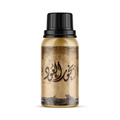
In short: Keep your perfume somewhere cool and dark, out of the sun and away from the heat of appliances, such as a cupboard in an air-conditioned room. Leave it in its box and close the cap tightly after each use, because heat, light and air are the main things that change its ingredients over time. Do not leave it in the car, keep it away from the bathroom, and we see no need for the fridge. No single shelf life holds for every perfume, so if your bottle carries a date or a symbol, follow it, and trust your nose: if the smell has clearly changed, do not put it on your skin.
Table of contents
- What changes a perfume over time?
- Where to keep your perfume
- The bedroom and the wardrobe
- The bathroom
- The car
- The fridge
- The box, the cap and the bottle
- Does perfume expire?
- What do the symbols on the pack mean?
- How to tell your perfume has changed
- Perfume when travelling, and in small bottles
- Perfume oils
- A common question
- Read also
- References
What changes a perfume over time?
A perfume is a mixture of many substances, and some of them react over time, so the smell changes. Three things hurry that along: heat, light and air, all of which speed up the oxidation of its ingredients [1] [2].
Heat speeds up chemical reactions in general. Light speeds up oxidation, though not all oils behave alike in this, and oxygen comes from the air [2]. All of this was learned from essential oils such as lavender, thyme and rosemary; a finished perfume follows them in the general rule, not in the details.
Oxidation is not the only thing that changes a perfume. Part of some common fragrance materials may turn into other compounds by reacting with the alcohol in the bottle, which is part of why a perfume's smell changes as it ages [1].
As for humidity, nothing in the published studies supports the idea that it does more harm than light [2], so we do not count it as a main cause of change in perfume.
Where to keep your perfume
Find it a cool, dark place, out of the sun and away from the heat of appliances, where the temperature does not swing much during the day.
The bedroom and the wardrobe
A wardrobe or a drawer in an air-conditioned room is usually a good place, because light does not get in. Keep the bottle away from the heater and appliances that get hot while they run, and if some rooms in your home are not air-conditioned in summer, keep it in one that is. An open dressing-table shelf in front of a window is no place to keep perfume for good.
The bathroom
Our advice is to keep perfume away from the bathroom, and the reason is heat and light, not humidity: its temperature swings with the hot water, and it may have a window or lighting close to the shelves, and these are among the main things that change fragrance materials [1] [2].
The car
Do not leave perfume in the car, especially in summer. A closed car in the sun warms within an hour by about 22 °C on average above the outside air [3], and heat speeds up the reactions that change perfume [1] [2]. If you need perfume on the road, carry a small bottle and take it with you when you get out of the car.
The fridge
We see no need for the fridge. Chilling did not help every essential oil it was tried on: some stayed stable in the cold, others showed higher signs of oxidation, and what holds for one oil cannot be carried over to another [2]. If you do choose it for a perfume you want to keep for a long time, put the perfume in its closed box away from food, and do not take it out and put it back too often.

The box, the cap and the bottle
Keep perfume in its box, which shields it from light. Light speeds up the oxidation of fragrance materials, and some of them break down quickly in it [2]. In one of the fragrance materials studied, part of it changed into another form in heat, and several times as much changed in daylight [1]. If you no longer have the box, keep the bottle in a closed drawer or cupboard.
Close the cap tightly after each use so that no fresh air gets into the bottle, since the change is clearer in half-full containers [2]. That is why we advise a size that matches how much you use, not a large bottle that stays half empty for a long time.
Keep perfume in its original bottle where you can, and if you decant it, use a clean, dry bottle made for perfume. We found no reliable source that ranks glass against plastic for keeping it.
Does perfume expire?
No single period holds for every perfume, because perfumes differ in their ingredients and in how they are kept. Even essential oils have no clearly defined storage conditions or shelf life, according to a review of the studies on them published in 2013 [2]. So the reference is what is printed on your perfume's pack, if anything is. This shelf life is not the same as how long a perfume lasts on the skin.
What do the symbols on the pack mean?
Under the European Union's cosmetics regulation, the hourglass symbol marks a date before which the product is best used, and the open jar symbol marks a period during which it stays safe to use once opened [4]. The rules for what is printed on a pack differ from country to country, and this is how the European regulation sets them out:
- An hourglass symbol followed by a date (or the words "best used before the end of"): before this date the product keeps doing what it was made for and stays safe as the regulation requires, as long as it is stored properly. This date is not required on products whose minimum durability exceeds 30 months.
- An open jar symbol with a period in months or years beside it: it is printed on products whose minimum durability exceeds 30 months, except a product to which a period after opening does not apply.
- Storage conditions: printed on the pack if the product needs them.
The regulation defines the period after opening by safe use and makes no mention of how well the scent holds [4], so a perfume may change before then if it is kept in heat or light.
In the Gulf states, the 2021 edition of the Gulf technical regulation on safety requirements for cosmetics (GSO 1943) took a similar approach: an expiry date is printed on a product that deteriorates within 30 months of manufacture, while a product that lasts longer carries the period after opening with the open jar symbol. It exempted from this period products with a low likelihood of microbial contamination, among them products with a high alcohol content such as perfumes and colognes [7], and the draft update of the regulation that the Saudi Food and Drug Authority put out for public consultation kept this exemption [8]. So you may not find this symbol on your perfume.

How to tell your perfume has changed
Your nose is the first judge. As essential oils age, they may develop an unpleasant or harsh smell, change colour and thicken [2]. Look for three signs:
- The opening: the first thing you smell after spraying is the top notes, such as citrus, and they evaporate fastest. If they have become harsh or strange compared with what you know of your perfume, it may have changed.
- The colour: if it has clearly changed from what it was when you bought it. Do not judge by colour alone, without the smell.
- The texture: if the liquid has become heavier than you know it.
If a perfume has clearly changed, do not put it on your skin, because some old essential oils and their oxidized compounds can gain the ability to cause skin allergy [2]. Among the best-known examples are two fragrance materials, limonene and linalool, which on their own rarely cause allergy, but once they oxidize in air, their oxidation products are far more likely to [5]. The amounts of these products found in cosmetics seldom cause a skin reaction [5], so not every old perfume causes allergy; the caution is for a perfume whose smell has changed.
Perfume when travelling, and in small bottles
You can carry perfume and cologne on a plane, in both carry-on and checked baggage, without prior approval from the airline, under the rules of the International Air Transport Association (IATA). The condition is that no single container exceeds half a litre (or half a kilogram), and that the total a passenger carries of cosmetics, alcohol-containing medicines and aerosols of this kind, perfumes included, does not exceed two litres (or two kilograms) [6]. But liquids in carry-on baggage are subject to other limits set by airports, which vary from country to country, so check with your airline and the airport before you travel.
On the trip, pack the bottle among your clothes in the bag. If you decant a perfume into a small, clean, dry travel bottle, close it tightly, write the perfume's name on it, and do not mix two perfumes in it.
Perfume oils
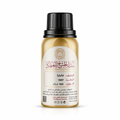
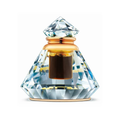
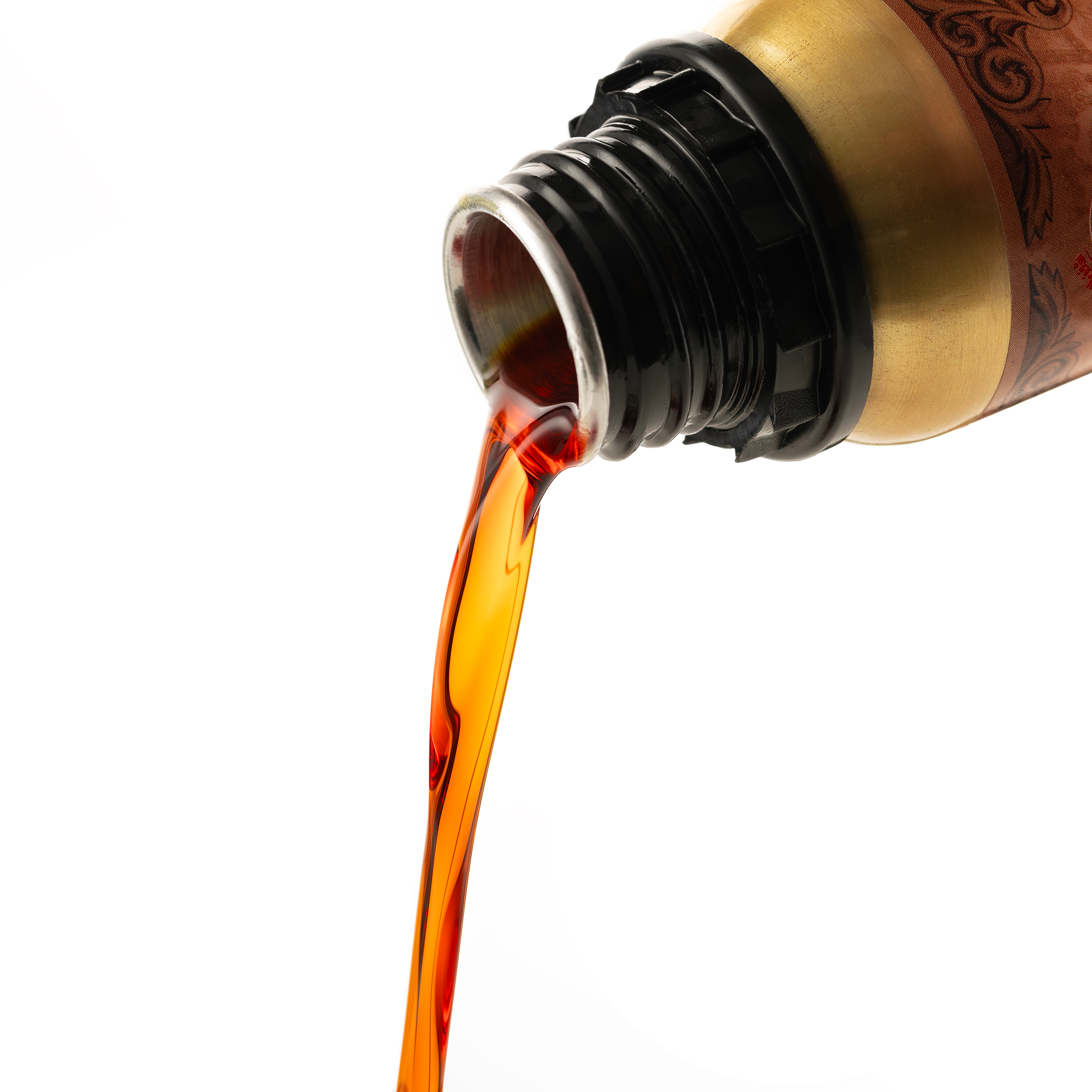
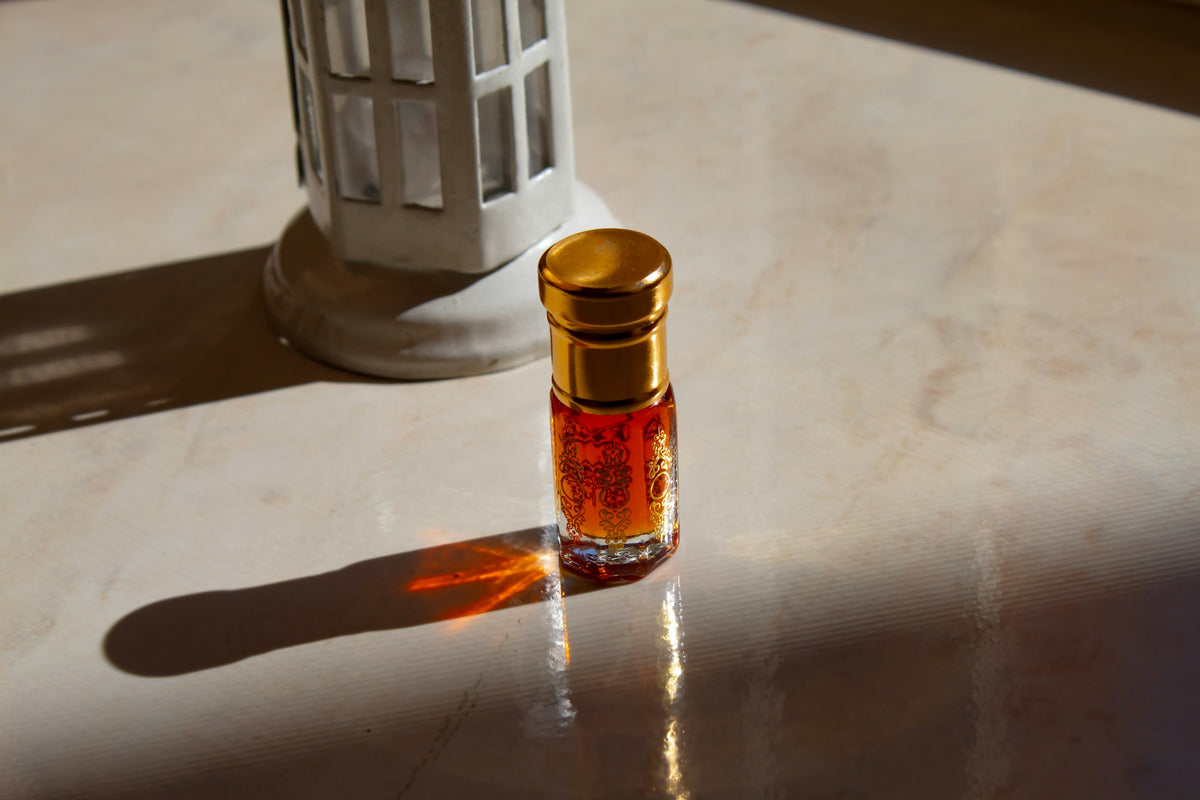
Perfume oils and oud oil are mostly oils, so they are most likely affected by what affects essential oils: heat, light and oxygen [2]. Keep them as you would an alcohol-based perfume, in a cool, dark place with the cap tightly closed.
A common question
Does perfume change while it is still sealed?
A sealed bottle in its box is better protected from air and light, but heat still reaches it, and heat speeds up the change in a perfume's ingredients [1]. It belongs where an opened bottle does: somewhere cool and dark.
Read also
- How to Store Bakhoor, Oud and Oud Oil: A Storage Guide
- How to Choose, Test and Apply Perfume: A Practical Guide
- Perfume Ingredients: From Raw Material to Note
- Perfume oils
- Harms of Perfume and Bakhoor: What the Evidence Says on Allergy and Smoke
References
- Blakeway JM, Frey ML, Lacroix S, Salerno MS. Chemical reactions in perfume ageing. International Journal of Cosmetic Science. 1987;9(5):203–214. doi:10.1111/j.1467-2494.1987.tb00475.x. Accessed 2 October 2026.
- Turek C, Stintzing FC. Stability of Essential Oils: A Review. Comprehensive Reviews in Food Science and Food Safety. 2013;12(1):40–53. doi:10.1111/1541-4337.12006. Accessed 2 October 2026.
- McLaren C, Null J, Quinn J. Heat Stress From Enclosed Vehicles: Moderate Ambient Temperatures Cause Significant Temperature Rise in Enclosed Vehicles. Pediatrics. 2005;116(1):e109–e112. doi:10.1542/peds.2004-2368. Accessed 2 October 2026.
- Regulation (EC) No 1223/2009 of the European Parliament and of the Council of 30 November 2009 on cosmetic products. Article 19(1)(c) and Annex VII. eur-lex.europa.eu/eli/reg/2009/1223/oj. Accessed 2 October 2026.
- Sukakul T, Svedman C. What is New in Contact Allergy To Cosmetics for Physicians, Cosmetologists, and Cosmetic Users? Current Allergy and Asthma Reports. 2025;25(1):48. doi:10.1007/s11882-025-01226-5, PMC12552389. Accessed 2 October 2026.
- International Air Transport Association. Dangerous Goods Regulations, 67th Edition, 1 January 2026. Table 2.3.A: Provisions for Dangerous Goods Carried by Passengers or Crew. iata.org. Accessed 2 October 2026.
- GCC Standardization Organization (GSO). GSO 1943:2021, Gulf Technical Regulation: Cosmetics – Safety requirements of cosmetics and personal care products. Edition 3, clause 5.5. gso.org.sa. This edition is listed as “Historical” in the GSO store; the current one is Edition 4, GSO 1943:2024, adopted 1 May 2024. gso.org.sa. Accessed 17 October 2026.
- Saudi Food and Drug Authority. Draft update of the technical regulation: Safety Requirement of Cosmetic and Personal Care Product, clause 5.5.3; it states that it cancels and replaces GSO 1943:2021. Istitlaa platform, last updated 30 January 2025. istitlaa.scbc.gov.sa. Accessed 17 October 2026.
Prepared and edited by: Sedr Al-Khaleej Perfumes team
Last reviewed: 14 October 2026
Was this article helpful?
Leave a comment
Comments are reviewed before they appear. Your email address won’t be shown.